Fennel for Menopause and Sleep: A Natural Guide to Staying Cool and Rested
If you are a woman in your late 40s or 50s, you might feel like your body has suddenly decided to host an uninvited houseguest. One minute you’re leading a meeting or enjoying a quiet dinner, and the next, an internal "surge" leaves you feeling flushed and searching for the nearest fan. Then comes the night—the "Midnight Awakening." You wake up in the small hours, skin damp and mind racing, wondering if you’ll ever experience a full night of restorative rest again.
You aren't alone. These common experiences are hallmarks of the menopausal transition. While this is a natural phase of life, many women seek gentle, plant-based ways to maintain their comfort and quality of life. Enter Fennel (Foeniculum vulgare).
You might know fennel as a crunchy vegetable or a spice rack staple. However, in Mediterranean and Middle Eastern cultures, fennel has been a "woman’s herb" for centuries. Traditionally used to support female cycles, it has long been praised for its ability to "cool" and "quiet" the body during the change of life. Today, modern science is uncovering how these traditional uses align with our biological pathways.
The Science of Balance: How Fennel Works in Your Body
To understand how fennel supports menopause comfort and sleep quality, we have to look at how it interacts with the body’s natural regulatory systems. During menopause, the natural decline in estrogen can disrupt the body's "thermostat" and sleep-wake cycles.
Fennel contains specific compounds—anethole, dianethole, and photoanethole—that offer support through three primary biochemical mechanisms:
1. Supporting the Body’s Thermostat (Phytoestrogens)
The compounds in fennel are known as phytoestrogens. Think of your body’s estrogen receptors as "dials." When natural estrogen levels drop, the dials go down, often leading to hot flashes. Fennel’s compounds are like a "natural assist." They are much milder than the body’s own hormones, but they can interact with those receptors to help maintain balance. This subtle support helps the hypothalamus—your brain’s temperature control center—stay steady, which helps reduce the frequency and intensity of hot flashes.
2. Promoting a Quiet Mind (GABAergic Support)
Have you ever laid in bed with "mental chatter" that just won't stop? Fennel helps support a neurotransmitter in your brain called GABA. GABA is like the "calm" signal for your nervous system; it tells your brain it’s time to relax. Fennel’s volatile oils support this natural calming signal, helping you ease into sleep more smoothly and maintain better sleep quality throughout the night.
3. Maintaining Tissue Health
The natural shifts of menopause can lead to changes in moisture and comfort in delicate tissues. Because fennel provides mild phytoestrogenic support, it helps maintain healthy blood flow and moisture levels in the vaginal area, supporting overall physical comfort that often impacts sleep and daily well-being.
What the Clinical Studies Say
We don't just have to rely on tradition; the research is compelling. Several recent trials have confirmed fennel’s place as a credible tool for maintaining comfort during menopause.
One significant study was a triple-blind, randomized controlled trial published in the journal Menopause. Researchers followed 90 women who utilized fennel daily. The results were clear: participants reported a significant improvement in menopausal comfort, including a reduction in hot flashes and a better sense of emotional well-being, all while maintaining an excellent safety profile.
Regarding rest, a study in the Journal of Menopausal Medicine focused specifically on sleep quality. Using the Pittsburgh Sleep Quality Index (PSQI)—a standard measure for rest—researchers found that fennel significantly improved sleep duration and quality in postmenopausal women. The study noted that by addressing nighttime flashes and supporting the nervous system, fennel helped participants stay in the restorative stages of sleep longer.
Fennel as a Natural Choice
When searching for ways to support your body during this transition, you’ve likely come across a few other names. Here is how fennel compares as a supportive botanical:
-
Black Cohosh: A common choice for menopause. While popular, some users prefer fennel for its dual benefit of supporting both hormonal comfort and digestion.
-
Melatonin: A hormone often used for sleep. Unlike melatonin, which provides a direct sleep signal, fennel works more holistically by addressing the hormonal fluctuations that cause wakefulness in the first place.
-
Valerian Root: Known for its strong sedative properties. Fennel is often preferred by those looking for a "gentler" calm that supports relaxation without the grogginess some feel the next morning.
The Verdict: Fennel is a versatile botanical for those looking to maintain a high quality of life during menopause. It is not a drug or a replacement for medical therapies, but rather a functional food and supplement that works with your body’s natural chemistry.
Designing Your Daily "Cooling" Ritual
If you’re ready to see how fennel can support your transition, consistency is key. Here is how to incorporate this herb into a daily ritual for menopause support:
-
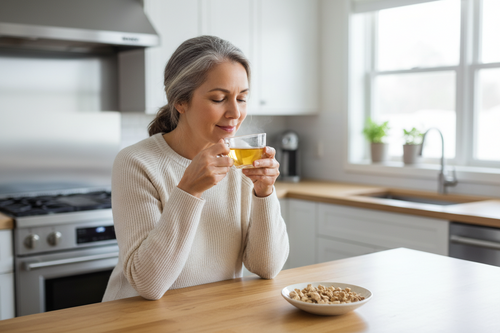
The Morning "Baseline" Tea: Start your day with a warm cup of fennel tea. This helps set a calm tone for your nervous system and provides a gentle baseline of supportive phytoestrogens.
-
The Afternoon "Grounding" Snack: If you experience irritability or "mental fog" in the afternoon, try chewing on a teaspoon of roasted fennel seeds. The aromatic oils are grounding and help manage daily stress.
-
The Evening "Rest" Infusion: About 30 minutes before bed, enjoy a concentrated fennel infusion. This allows the GABAergic properties to support your brain's transition into a cool, quiet, and restful sleep.
Safety and Considerations
For most people, fennel is a very safe, food-grade herb with a long history of use. However, there are a few important exceptions:
-
Hormone-Sensitive Profiles: Because fennel has mild estrogen-like effects, individuals with a history of hormone-sensitive health issues should consult their healthcare professional before using fennel as a supplement.
-
Blood Sugar Maintenance: Fennel can support healthy metabolism. If you are managing blood sugar levels with medication, monitor your levels closely.
-
Common Sensitivities: If you have known sensitivities to plants in the Apiaceae family (like celery or carrots), start with a small amount.
Conclusion: Reclaiming Your Rhythm
The transition into menopause is a powerful new chapter, and it doesn't have to feel like a loss of comfort. By understanding the biochemical mechanisms at play, we can choose natural allies like fennel to help maintain balance. Whether through a calming cup of tea or a targeted supplement, fennel offers a way to soothe the surges of the day and invite the stillness of the night.
Think of it as your "daily ritual of cool." By supporting your body’s natural chemistry, you’re helping yourself stay steady, rested, and ready for whatever comes next.
Try our Menopause Support Tea